




















Quick answer: A home theater is a dedicated, light-controlled room optimized for a cinema-quality audio and video experience. A media room is a multipurpose living space with a high-quality entertainment setup designed to fit into everyday life.
If you've used these two terms interchangeably, you're in good company — most homeowners do. But for architects, interior designers, builders, and home technology professionals, the distinction matters. Choosing the wrong category early in a project can mean the wrong room, the wrong budget, and the wrong outcome.
This guide covers everything you need to know: how each space is defined, what sets them apart, how to choose between them, and answers to the questions homeowners ask most.
What is a home theater?
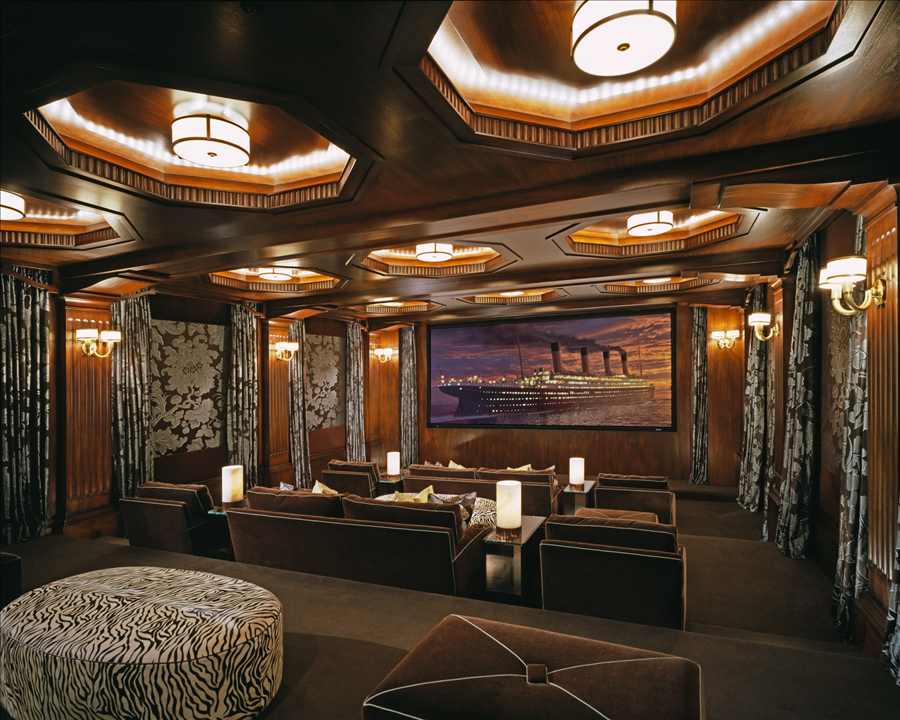
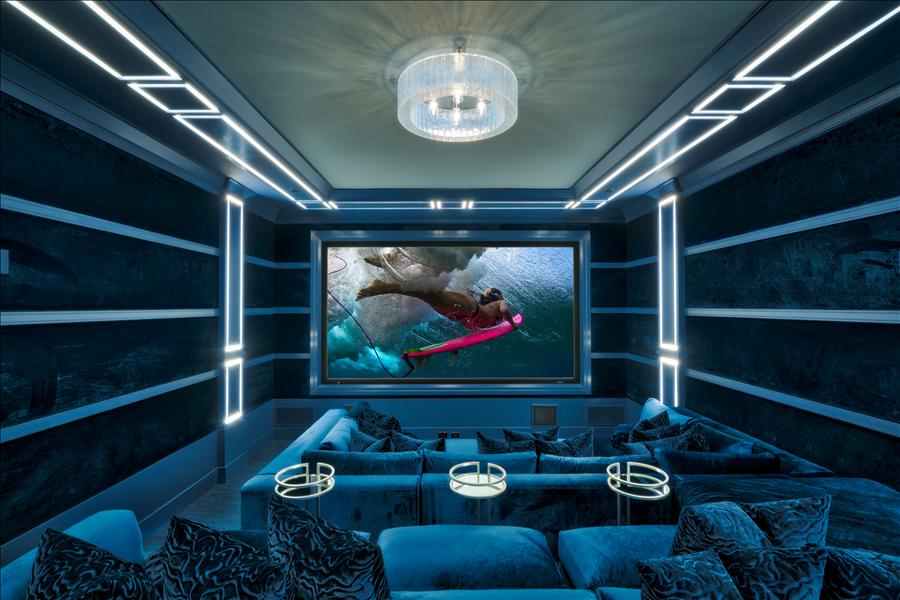
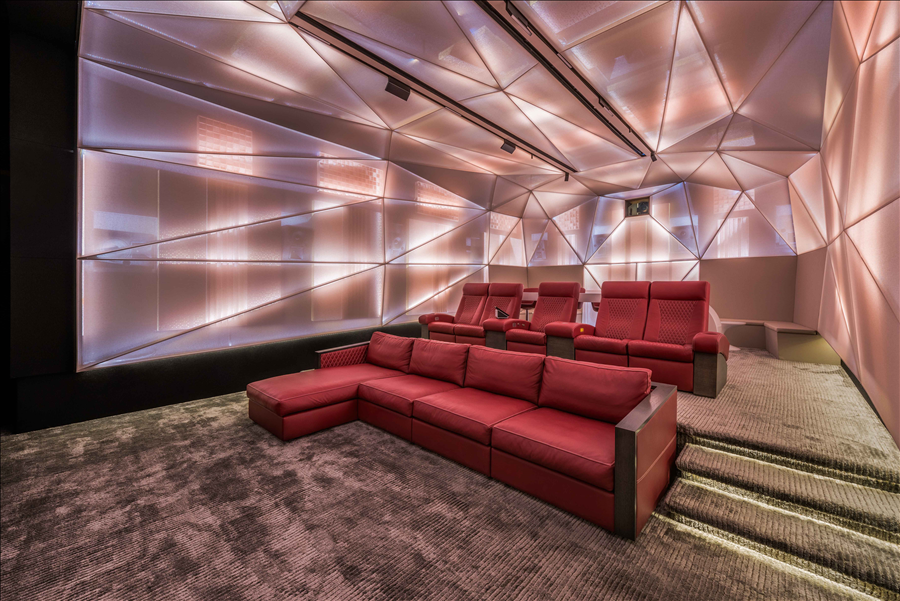
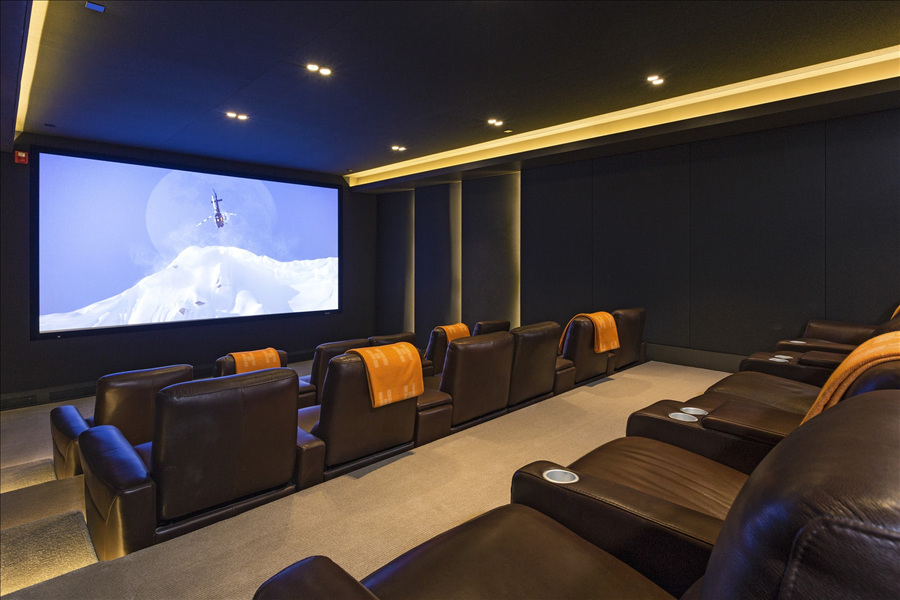
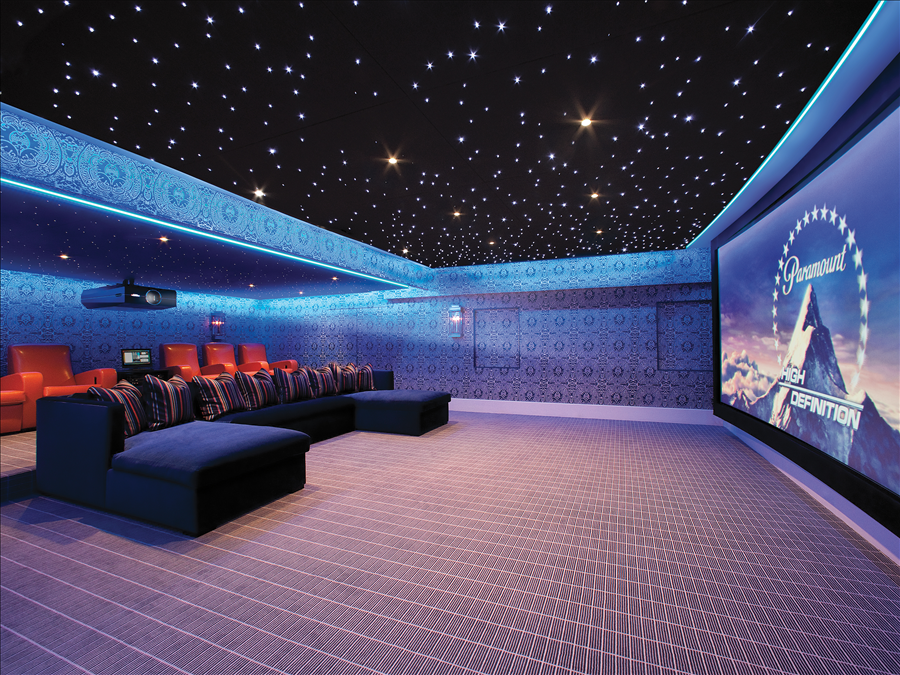
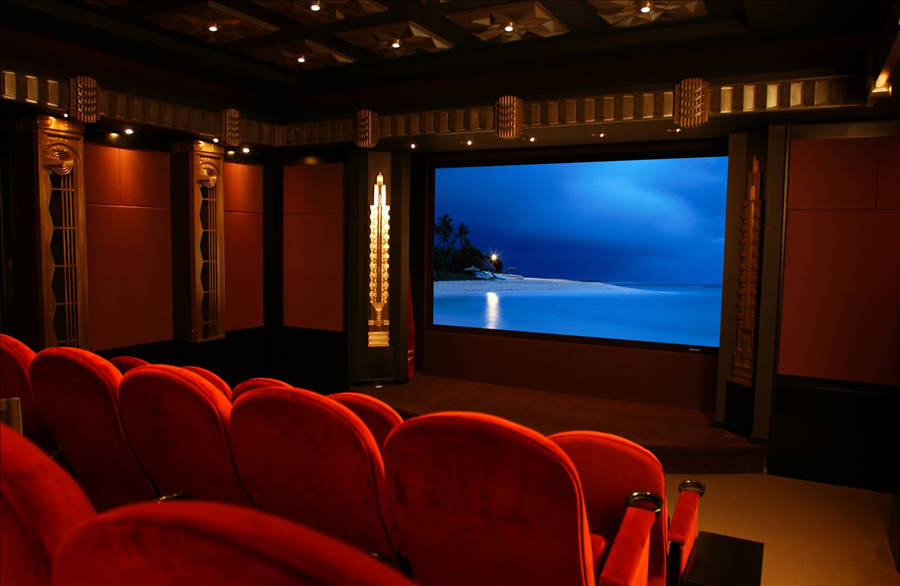
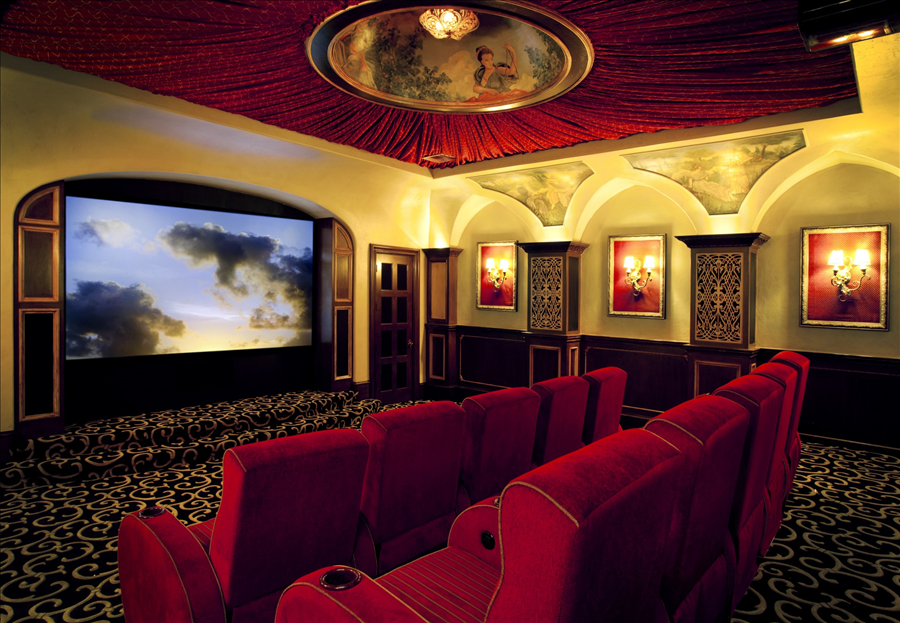
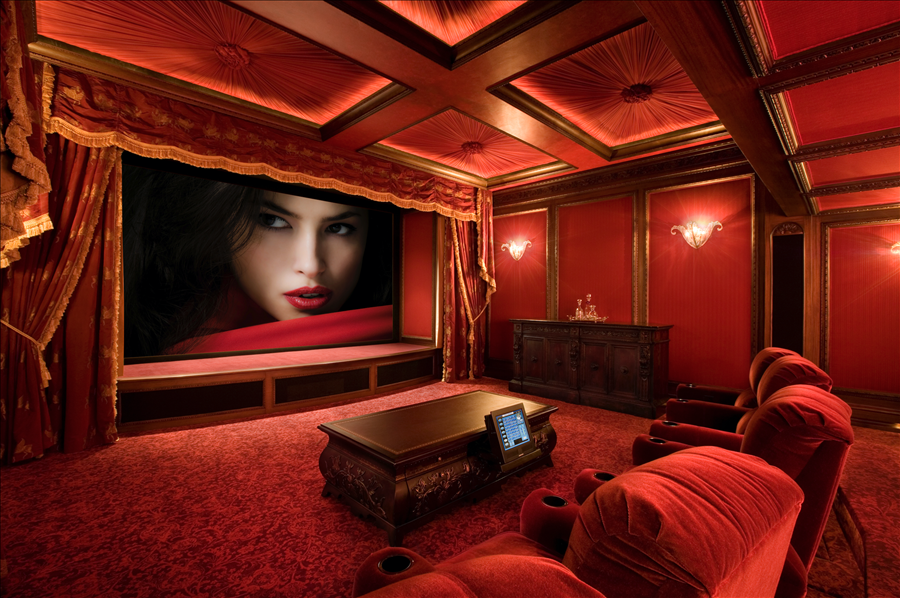
The Home Technology Association (HTA) defines a home theater as a space that is optimized for a theatrical experience — a fully controlled environment built to deliver the best possible audio and video performance. You may also see it called a “home cinema” or “private home theater.” The defining word is dedicated. A home theater exists for one purpose: entertainment at the highest level.
Light control
Home theaters are designed to eliminate ambient light entirely. Most have no windows or use motorized blackout shades. Without competing light sources, projected images appear sharper, contrast is higher, and color accuracy improves significantly.
Large-format projection
Because the room is light-controlled, large projector-and-screen systems become a practical choice. Homeowners are also more willing to dedicate significant wall space to a projection screen when the room has no other function. Screen sizes that would be impractical in a living room are standard in a dedicated theater.
Acoustic treatment and sound isolation
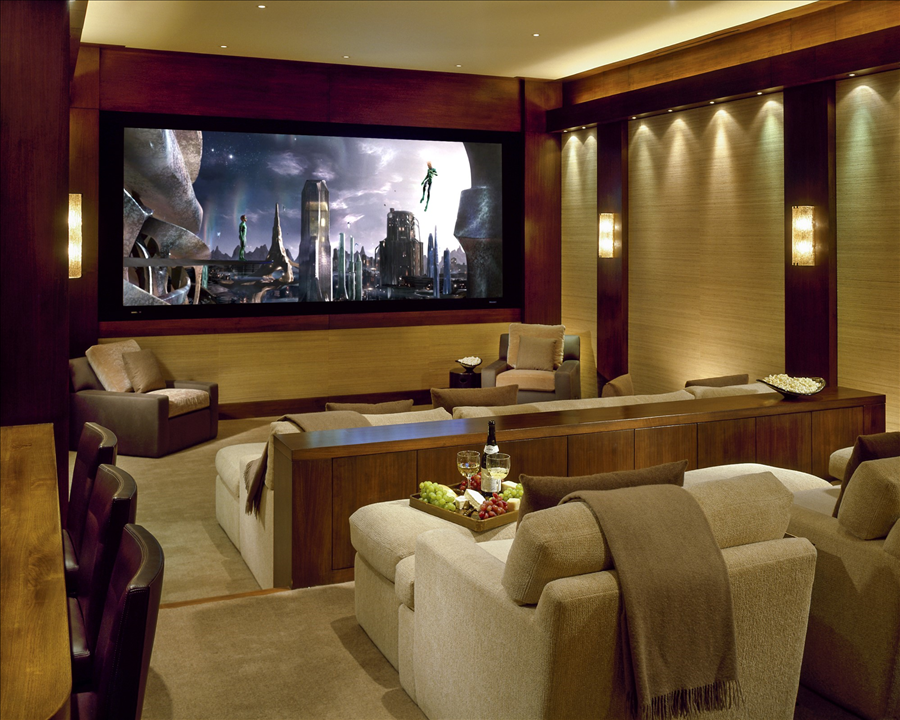
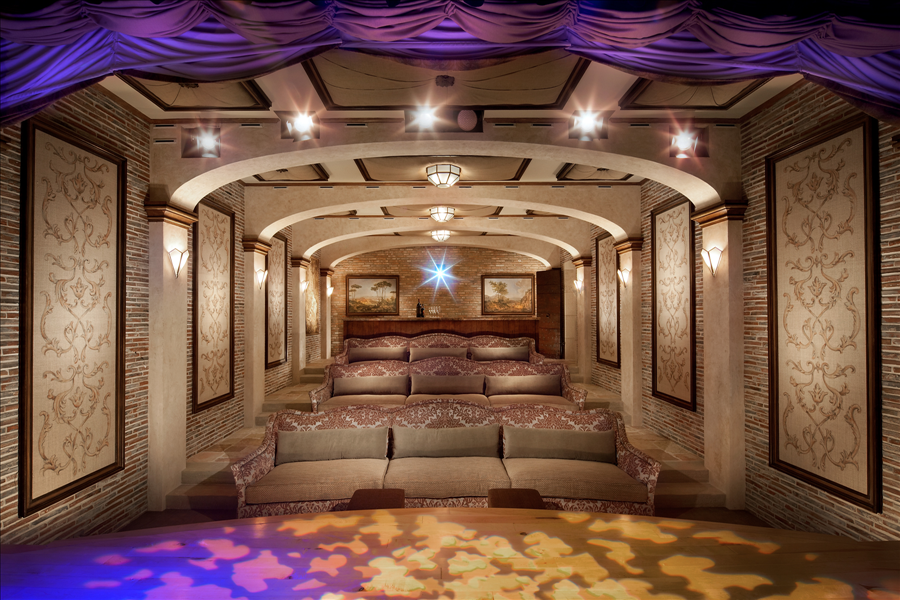
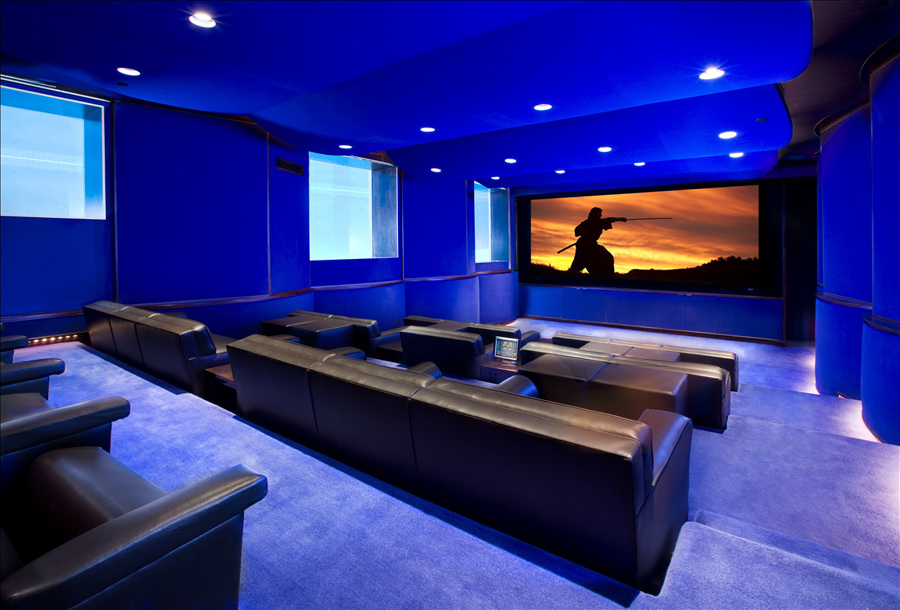
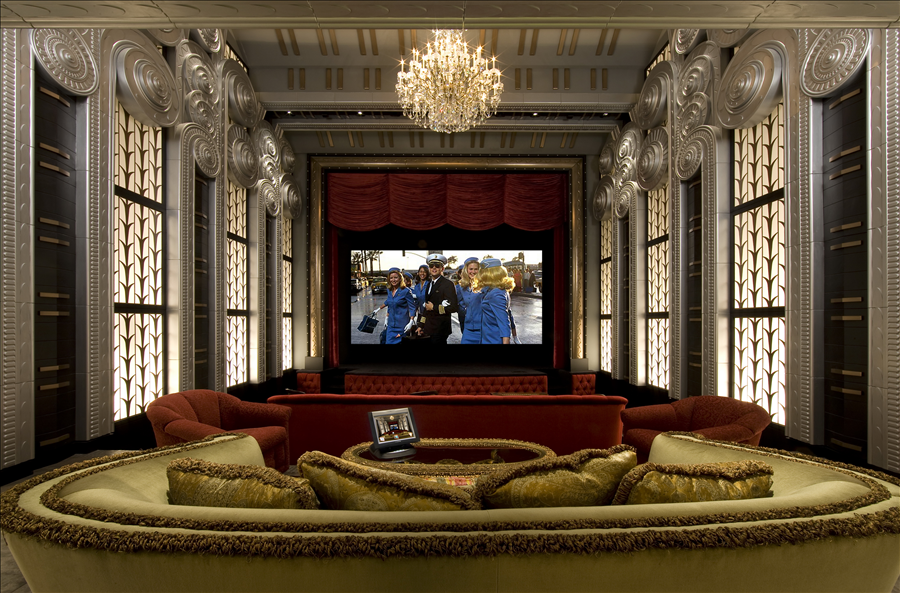
Home theaters are acoustically engineered on two fronts: maximizing sound quality inside the room and preventing noise from leaking in or out. This typically involves special construction techniques — essentially a room built within a room — along with sound isolation materials and acoustic panels. With this level of control, a full surround-sound speaker system, including multiple floor-standing speakers and subwoofers, becomes practical and delivers an experience that simply cannot be replicated in a multipurpose space.
Optimized seating
Theater-style seating is designed for extended viewing sessions — movie marathons, binge-watching, or sports events that run for hours. Tiered risers provide unobstructed sightlines from every seat in the room. Equipment is either prominently displayed or tucked away in a dedicated rack room elsewhere in the home.
Where home theaters are installed
Because of these requirements, home theaters are most commonly built in enclosed bonus spaces: basements, converted garages, or rooms designed into a home's original floor plan. The end result is an exacting, immersive experience purpose-built for entertainment.
What is a media room?
A media room prioritizes flexibility over absolute performance. It's designed to serve multiple functions — family movie nights, casual entertaining, sports viewing, gaming — while still delivering a satisfying entertainment experience. Unlike a home theater, a media room is part of everyday living. For further reading on essential home theater ingredients, read the article 'Home Theater Design - 3 Essential Ingredients' by clicking here.
Ambient light is acceptable
Media rooms typically include windows and don't require blackout conditions. Flat-panel TVs are the standard display choice because they perform well in lit environments. That said, advances in ambient-light-rejecting (ALR) projector screens and laser projector technology have made two-piece projection a viable option for media rooms — most clients opt for a motorized screen that retracts out of sight when not in use.
Simpler audio setups
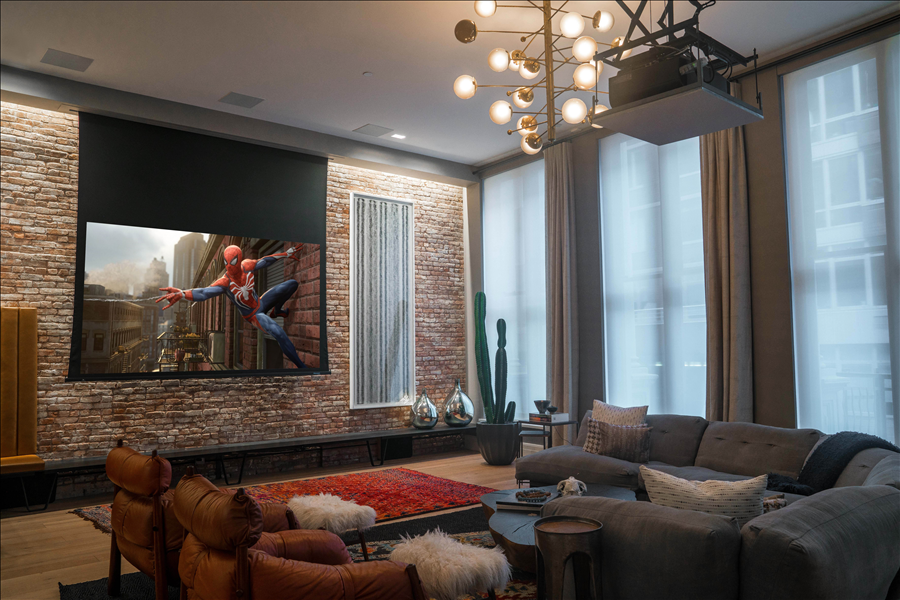
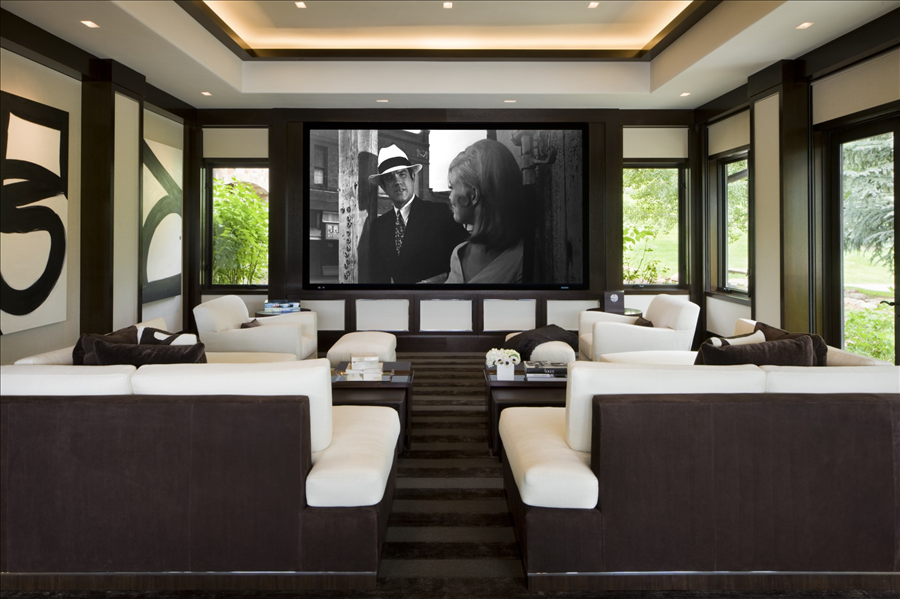
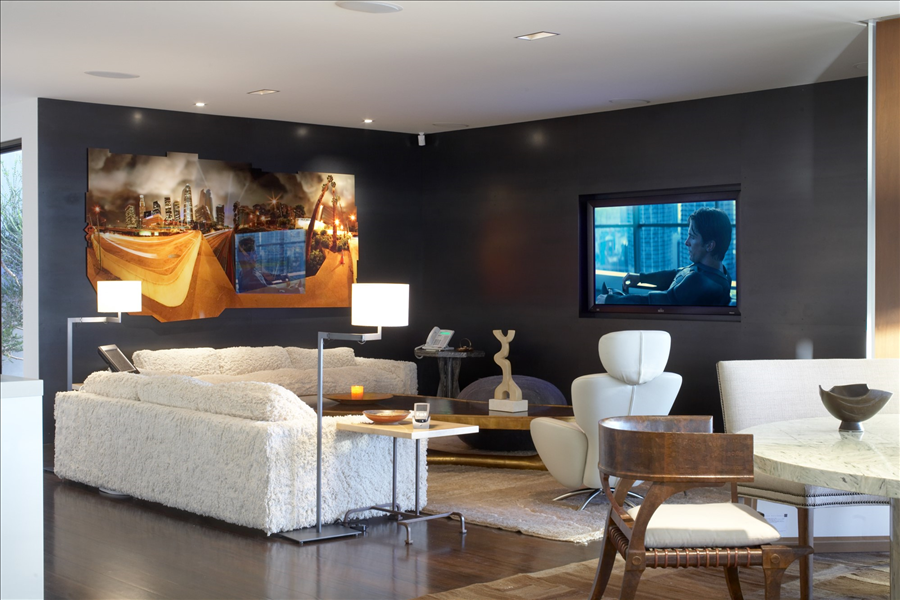
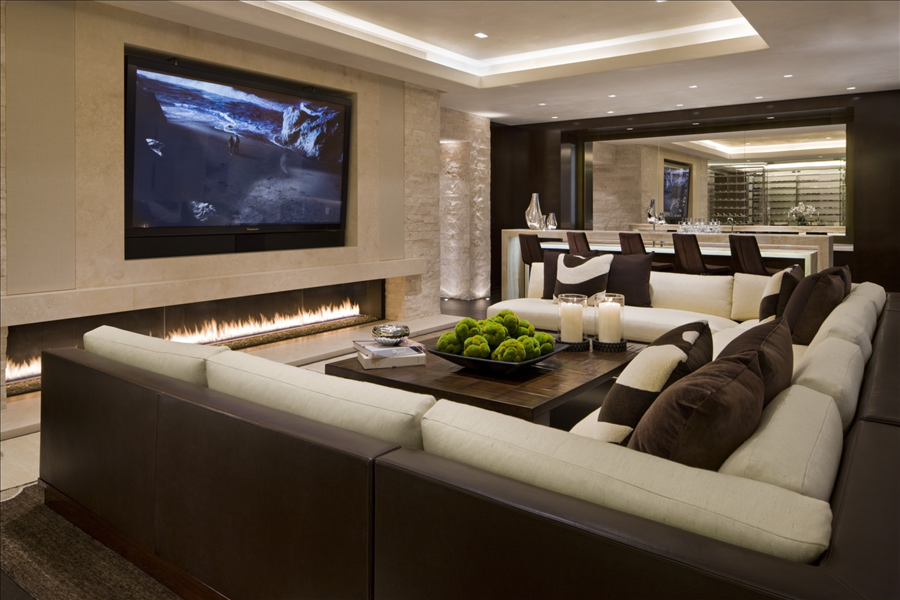
You won't typically find sound isolation or acoustic panels in a media room. Audio systems lean toward in-wall or in-ceiling architectural speakers, compact bookshelf speakers, wireless systems, or soundbars. These are designed to blend into the room rather than dominate it, and they deliver perfectly enjoyable sound for casual viewing.
Relaxed, flexible seating
Rather than tiered theater seats, media rooms use comfortable, adaptable furniture: sectionals, recliners, ottomans, and casual seating arrangements that work equally well for watching a game, entertaining guests, or relaxing with family. The room functions as a living space first.
Where media rooms are installed
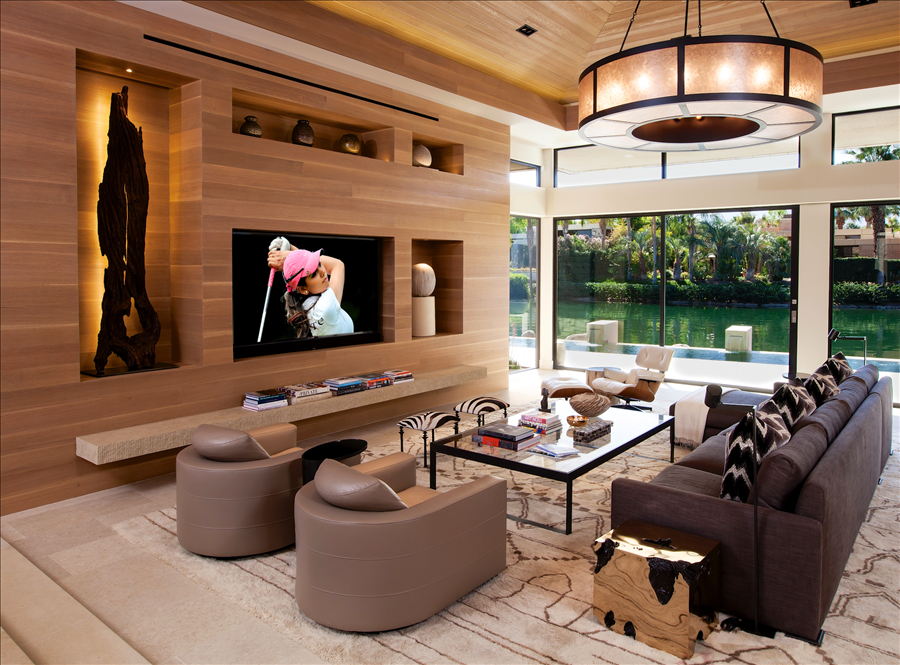
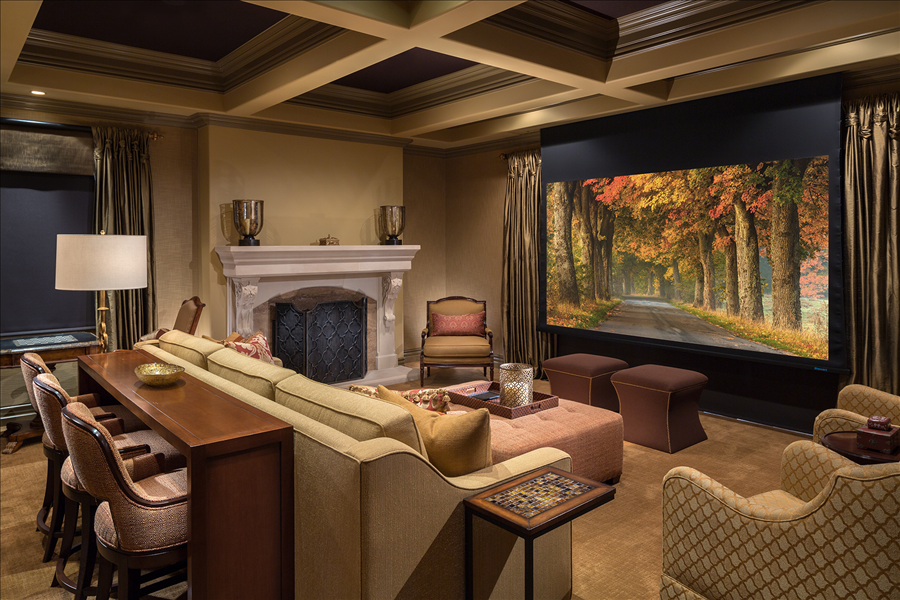
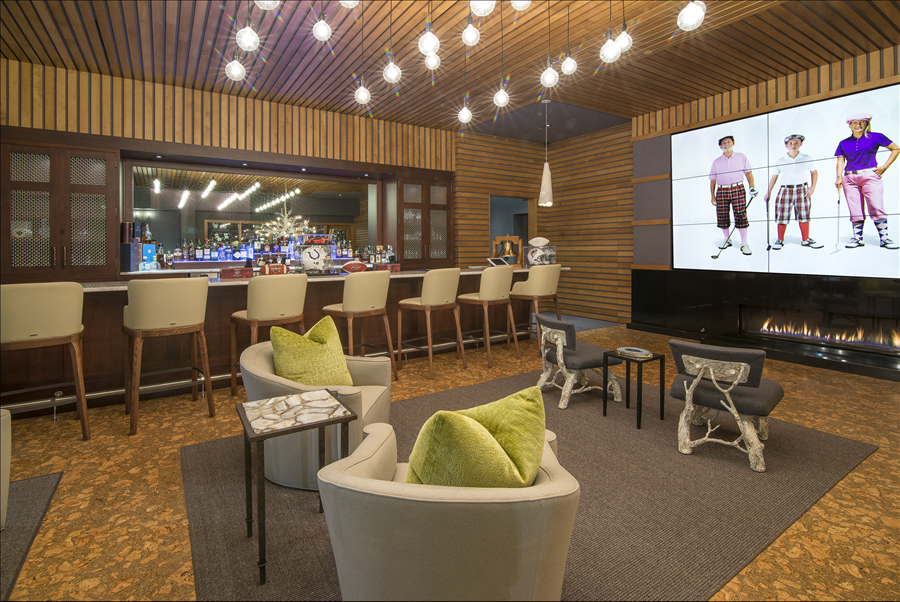
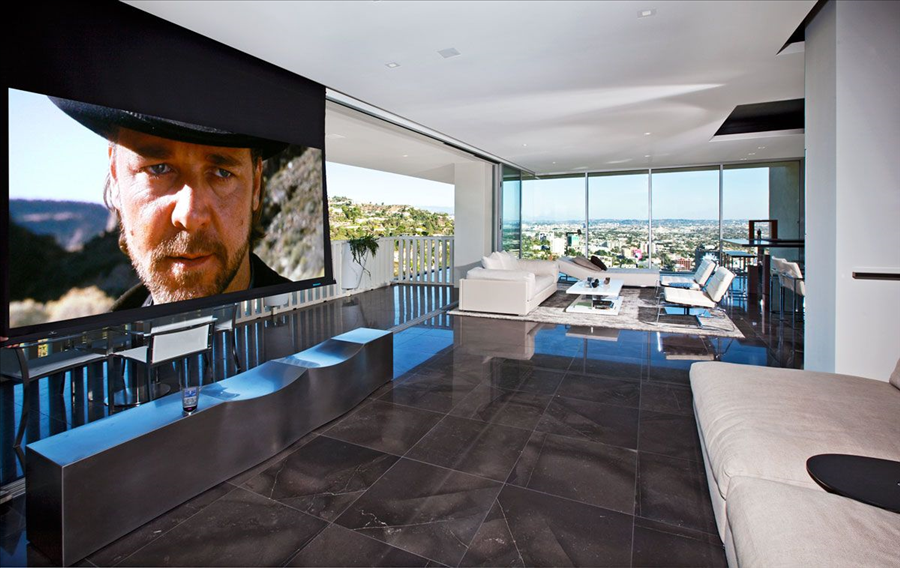
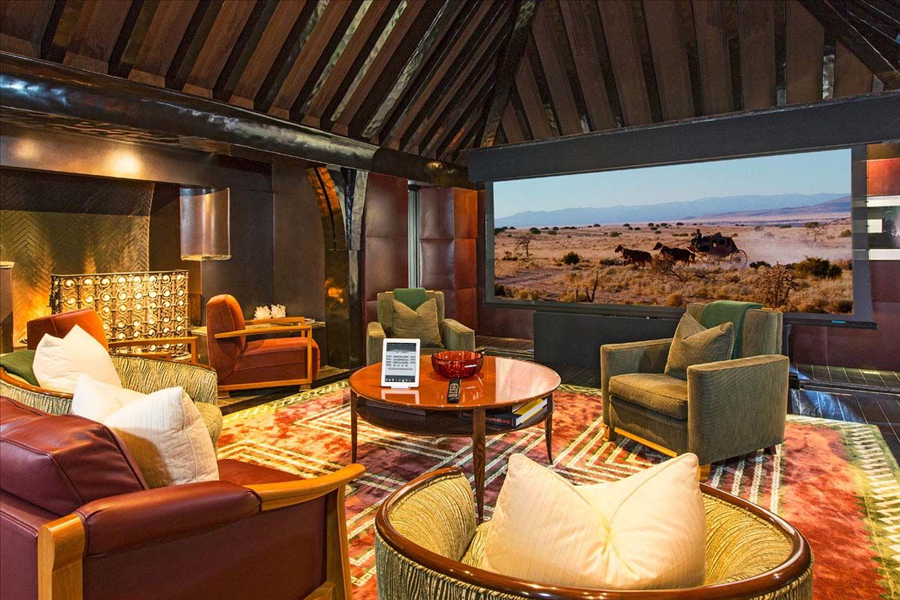
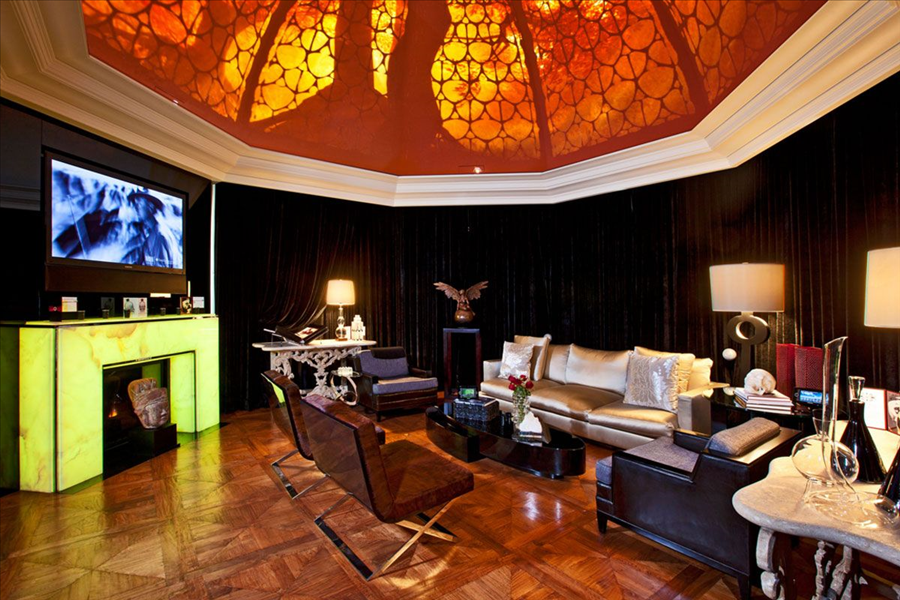
Because media rooms don't require blackout conditions or acoustic isolation, they can go almost anywhere: living rooms, great rooms, game rooms, lofts, or open floor plans. A skilled technology designer can make a media room remarkably polished — hiding the TV behind motorized artwork, a mirror, or cabinetry, and using the display as a digital art piece when it's not showing video.
The following media room installations are from HTA Certified home technology designers:
Home theater vs. media room: side-by-side comparison
| Feature | Home theater | Media room |
| Light control | Blackout required | Ambient light OK |
| Primary display | Projector + screen | Flat-panel TV (projector optional) |
| Audio | Full surround, acoustic treatment, isolation | Smaller surround, soundbar, or in-wall speakers |
| Seating | Theater-style, tiered risers | Flexible, casual furniture |
| Room type | Dedicated, single-purpose space | Multipurpose room |
| Design priority | Maximum A/V performance | Everyday livability |
| Typical location | Basement, bonus room, or dedicated space | Living room, great room, game room |
| Cost range | Higher (specialized construction) | Lower to moderate |
Which is right for your home?
The right choice depends on how you plan to use the space, what you're willing to invest, and what your home's layout allows.
Choose a home theater if…
- You want the ultimate cinematic or immersive audio experience
- You have a dedicated, enclosed space to work with
- You're willing to invest in acoustic and lighting control
- The room will be used primarily — or exclusively — for entertainment
- You want a large-format projection with maximum image quality
Choose a media room if…
- You want a stylish entertainment space that also works for daily living
- The room serves multiple purposes: family hangouts, entertaining, gaming, and watching sports
- You prefer a flat-panel TV and don't need a projection system
- You don't have a dedicated, light-controlled space available
- You want a more budget-friendly starting point with room to upgrade
Many homeowners start with a media room and later renovate a dedicated space into a home theater as their needs and budget evolve. Working with a certified home technology designer from the start — regardless of which path you choose — ensures the room is set up correctly for future upgrades.
Why working with a certified designer matters
Whether you're building a home theater or a media room, the quality of the installation determines the quality of the experience. Poor acoustic planning, incorrect screen sizing, improper speaker placement, and inadequate lighting control are the most common reasons home entertainment projects disappoint.
The Home Technology Association (HTA) independently evaluates and certifies installation firms through a rigorous assessment process. HTA Certified technology designers have been vetted for their capabilities across system design, installation quality, and client service — dramatically improving the odds of a successful project. When you hire HTA Certified, you're working with a professional who has been independently verified, not just self-described.
Frequently asked questions
How much does a home theater cost compared to a media room?
A media room can range from a few thousand dollars (a quality flat-panel TV with a solid sound system) to $20,000–$50,000 for a fully designed, professionally installed space with premium components. A dedicated home theater typically starts around $20,000 for a modest build and can reach $100,000 or more for custom acoustic construction, high-end projection, and premium seating. The wide range reflects the level of acoustic treatment, construction complexity, equipment quality, and design involved. An HTA Certified designer can help you understand realistic costs for your specific goals and space.
What room size do I need for a home theater?
A functional dedicated home theater can be built in a room as small as 12×14 feet (168 sq ft), though 15×20 feet or larger is preferred for optimal acoustic treatment, comfortable tiered seating, and a truly immersive screen size. Width matters more than people expect — a narrow room creates significant acoustic challenges. Your technology designer will assess the room dimensions, ceiling height, and structural conditions before recommending a layout and screen size.
Can a media room have a projector and screen?
Yes — and it's increasingly common. Advances in ambient-light-rejecting (ALR) screen materials and laser projector technology mean a two-piece projection system can perform well even in rooms with windows. The key is pairing the right projector brightness (measured in lumens) with an ALR screen designed for your room's light conditions. Most clients in media rooms opt for a motorized retractable screen so the setup disappears when not in use.
Do I need a contractor to build a home theater?
A full dedicated home theater typically requires coordination between multiple trades: a home technology designer for the A/V system, a general contractor or finish carpenter for room construction and millwork, an electrician for power and conduit, and potentially an acoustic consultant for sound isolation and treatment design. Your HTA Certified technology designer can often manage or coordinate this process. A media room installation, by contrast, can frequently be handled entirely by a skilled technology designer without significant construction work.
Does a home theater add resale value to a home?
It depends on the market and the quality of the installation. A well-designed, professionally installed home theater in a home priced above the median in your market can be a meaningful differentiator — especially for buyers who already value that type of space. However, a low-quality or highly personalized theater (unusual color schemes, equipment that's difficult to remove or upgrade) can actually be a drawback. A media room is generally more universally appealing to buyers because it reads as a flexible living space rather than a specialized room. If resale value is a primary concern, discuss it with your designer before committing to a dedicated theater.
What's the difference between a home theater and a home cinema?
Nothing — the terms are interchangeable. “Home cinema” is more commonly used in the UK and Australia, while “home theater” is standard in North America. Both refer to a dedicated, light-controlled room optimized for a theatrical audio and video experience.
Ready to start your project?
Whether you're planning a dedicated home theater or a beautifully designed media room, the right technology partner makes all the difference. HTA Certified designers have been independently evaluated for their expertise, installation quality, and professionalism. Find an HTA Certified technology designer in your area by clicking here.
You Might Also Like:


Additional Resources On This Topic: